
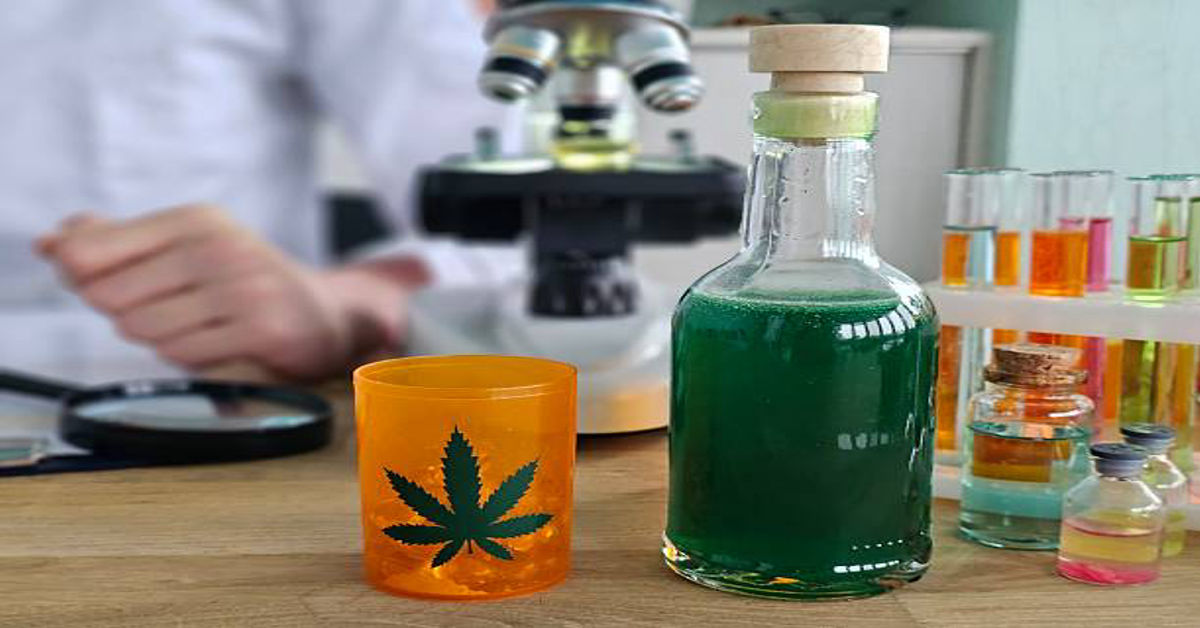
THC syrup has gained attention in recent years as cannabis-derived products diversify beyond traditional forms like smoking or edibles. Often discussed in pop culture, wellness conversations, and regulatory debates, THC syrup represents a liquid-based cannabis-infused product designed for oral consumption. Despite its growing visibility, many people lack a clear, balanced understanding of what THC syrup is, how it affects the body, why it exists, and what risks and responsibilities accompany its use.
This article provides a detailed, original, and educational explanation of THC syrup. It does not promote use, provide instructions, or rely on external sources. Instead, it focuses on awareness, health understanding, social context, and informed decision-making. The goal is to help readers understand THC syrup as a concept within the broader cannabis landscape, emphasizing clarity, safety, and responsible knowledge.
Understanding THC and Its Role in the Body
To understand THC syrup, it is essential to first understand THC itself. THC, short for tetrahydrocannabinol, is the primary psychoactive compound found in cannabis. It is responsible for the “high” associated with marijuana use. THC interacts with the body’s endocannabinoid system, a network of receptors involved in regulating mood, appetite, pain perception, memory, and coordination.
When THC enters the bloodstream, it binds primarily to CB1 receptors in the brain and central nervous system. This interaction alters neurotransmitter release, leading to changes in perception, mood, and cognition. The intensity and duration of THC’s effects depend on several factors, including the method of consumption, individual tolerance, metabolism, and overall health.
Unlike smoking or vaping, which deliver THC rapidly through the lungs, oral products like THC syrup follow a slower digestive pathway. This difference significantly influences how and when effects are felt, making understanding consumption methods critical for safety and awareness.
What Is THC Syrup?
THC syrup is a liquid cannabis-infused product designed for oral ingestion. It typically has a thick, syrup-like consistency and is often flavored to mask the natural taste of cannabis. Because of its liquid form, THC syrup is sometimes compared to traditional cough syrups in appearance, though its purpose and effects are entirely different.
The defining characteristic of THC syrup is its delivery format rather than its chemical makeup. The active ingredient, THC, is the same compound found in other cannabis products. However, the liquid medium allows for different consumption experiences and absorption patterns.
THC syrup is often marketed as a discreet alternative to smoking, appealing to individuals who prefer not to inhale substances or who want a smoke-free option. Its portability and ease of mixing with beverages contribute to its popularity, while also raising concerns about accidental ingestion and misuse.
Why THC Syrup Exists in the Cannabis Market
The emergence of THC syrup reflects broader trends in cannabis consumption. As legalization expands in various regions, consumers seek diverse formats that align with lifestyle preferences, health considerations, and social norms.
Liquid cannabis products address several consumer motivations. Some users want alternatives to smoking due to respiratory concerns. Others prefer products that blend seamlessly into social settings or daily routines. THC syrup also offers a different sensory experience compared to solid edibles, appealing to those who find gummies or baked goods undesirable.
From an industry perspective, product diversification helps cannabis businesses reach broader audiences. THC syrup represents innovation in delivery systems, not a fundamentally new substance. Its existence highlights how consumer demand shapes product development in emerging markets.
How THC Syrup Is Consumed
THC syrup is consumed orally, meaning it passes through the digestive system rather than being inhaled. This has important implications for how the body processes THC.
When consumed, THC syrup is absorbed through the stomach and intestines, then metabolized by the liver. During this process, THC is converted into a compound that can produce stronger and longer-lasting effects than inhaled THC. This delayed onset can lead some individuals to consume more than intended, mistakenly assuming the initial amount was insufficient.
THC syrup may be consumed on its own or mixed into non-alcoholic beverages. Regardless of method, awareness of delayed effects is crucial for avoiding overconsumption. Unlike inhalation, where effects are felt within minutes, oral THC products may take significantly longer to manifest.
Comparing THC Syrup to Other Cannabis Products
Understanding THC syrup becomes easier when compared to other cannabis consumption formats. Each method differs in onset time, duration, intensity, and user experience.
| Consumption Method | Onset Time | Duration | Key Characteristics |
|---|---|---|---|
| Smoking | Fast | Short | Immediate effects, respiratory impact |
| Vaping | Fast | Short | Reduced smoke, similar intensity |
| Edibles | Slow | Long | Stronger body effects |
| THC Syrup | Slow | Long | Liquid form, delayed onset |
THC syrup aligns most closely with edibles in terms of metabolism and duration. However, its liquid format may allow for faster digestion than solid edibles in some individuals, though this varies widely.
Effects of THC Syrup on the Body and Mind
The effects of THC syrup depend on dosage, individual sensitivity, and context. Common effects may include relaxation, altered perception, mood changes, increased appetite, and sensory enhancement. These effects are not guaranteed and can vary significantly between individuals.
Because THC syrup is processed through the digestive system, its effects tend to be longer-lasting than inhaled THC. This prolonged duration can amplify both positive and negative experiences. For some, this may result in extended relaxation or relief from discomfort. For others, it may cause anxiety, confusion, or physical discomfort.
Cognitive effects may include impaired short-term memory, reduced attention, and altered judgment. Motor coordination can also be affected, making activities like driving unsafe after consumption. Understanding these potential effects is essential for harm reduction and personal safety.
Potential Risks and Side Effects
While THC syrup is often perceived as less harmful than smoking, it is not without risks. Oral THC products can be deceptively potent due to delayed onset and stronger metabolized effects.
Common side effects may include dizziness, nausea, dry mouth, increased heart rate, anxiety, and paranoia. Inexperienced users are particularly vulnerable to overconsumption, which can result in intense discomfort or panic.
Another concern is accidental ingestion, especially in households with children or pets. Because THC syrup may resemble familiar liquid medicines, proper storage and labeling are critical for preventing unintended exposure.
Long-term or frequent use of THC products may contribute to tolerance, dependency, or mental health challenges in susceptible individuals. These risks highlight the importance of moderation and self-awareness.
Legal and Regulatory Considerations
The legal status of THC syrup varies widely depending on location. In some regions, THC products are legal for medical or recreational use, while in others they remain prohibited. Laws often regulate product potency, labeling, packaging, and distribution.
Understanding local regulations is essential for avoiding legal consequences. Even in regions where cannabis is legal, restrictions may apply to public consumption, transportation, and age limits.
Regulatory frameworks aim to balance consumer access with public safety. THC syrup, like other cannabis products, is subject to evolving laws as governments adapt to changing societal attitudes and scientific understanding.
THC Syrup and Public Health Awareness
Public health discussions around THC-syrup focus on education rather than promotion. Awareness campaigns emphasize responsible use, clear labeling, and prevention of misuse.
Health professionals often stress that “smoke-free” does not mean “risk-free.” While avoiding inhalation may reduce respiratory harm, oral THC products introduce different risks related to dosage control and delayed effects.
Educating users about how THC-syrup works, how long effects last, and when to seek medical help supports safer outcomes. Public health approaches prioritize informed choice over stigma or fear.
Social and Cultural Perception
THC-syrup has become part of broader cultural conversations, particularly in music and social media. These portrayals can influence perceptions, sometimes glamorizing use without addressing risks.
Cultural narratives play a powerful role in shaping behavior. When products are presented casually or humorously, individuals may underestimate potential consequences. Balanced education helps counteract misinformation and encourages responsible attitudes.
Understanding THC-syrup within its cultural context allows for more meaningful discussions about cannabis normalization, personal responsibility, and community well-being.
Distinguishing Medical and Recreational Contexts
THC products may be used in both medical and recreational contexts, though purposes and oversight differ. In medical settings, THC may be used under professional guidance for symptom management.
Recreational use, by contrast, is self-directed and often influenced by social factors. Without professional input, individuals must rely on education and self-monitoring to avoid adverse effects.
Recognizing this distinction is important for understanding why THC-syrup may be viewed differently depending on context. Medical use emphasizes symptom relief and dosing control, while recreational use emphasizes experience.
Responsible Awareness and Harm Reduction
Responsible awareness does not mean endorsement. It means understanding how substances work, recognizing personal limits, and making informed decisions. Harm reduction strategies aim to minimize negative outcomes rather than impose judgment.
Key principles include understanding delayed effects, avoiding mixing substances, storing products safely, and refraining from activities that require full cognitive function. Awareness empowers individuals to protect themselves and others.
Education remains the most effective tool for reducing harm associated with THC-syrup and similar products.
The Future of THC Syrup in Cannabis Markets
As cannabis markets mature, products like THC-syrup will continue to evolve. Innovation may focus on clearer labeling, improved consistency, and enhanced consumer education.
Regulators, producers, and health advocates all play roles in shaping the future landscape. Emphasis on transparency and safety will likely define the next phase of product development.
THC syrup’s future depends not only on demand but also on how responsibly it is integrated into legal and social frameworks.
Frequently Asked Questions
What is THC syrup?
THC syrup is a liquid cannabis-infused product designed for oral consumption, containing the psychoactive compound THC.
How does THC syrup differ from smoking cannabis?
THC syrup is digested rather than inhaled, leading to delayed onset and longer-lasting effects.
Is THC syrup safe?
It carries risks, especially related to overconsumption and delayed effects, and should be approached with caution and awareness.
Can THC syrup affect daily activities?
Yes, it can impair judgment, memory, and coordination, making tasks like driving unsafe.
Why is education about THC syrup important?
Understanding effects, risks, and responsibilities helps prevent misuse and supports informed decision-making.
About the Author